Entry · Ref ZYNLEW_O
How a medical alarm with GPS supports safer independent living
- Posted
- 2026-11-12
- Last amended
- 2026-11-12
- Account
- @thefamilycareguide
What a wearable medical alarm does for everyday safety
For older adults who want to keep living in their own home, the biggest worry is often about what happens if something goes wrong. A fall, a sudden illness, or even getting lost outside can turn a normal day into a crisis. A medical alarm with GPS is designed to handle exactly those situations, giving both the wearer and their family a layer of protection that is always on, always reachable, and simple to use.
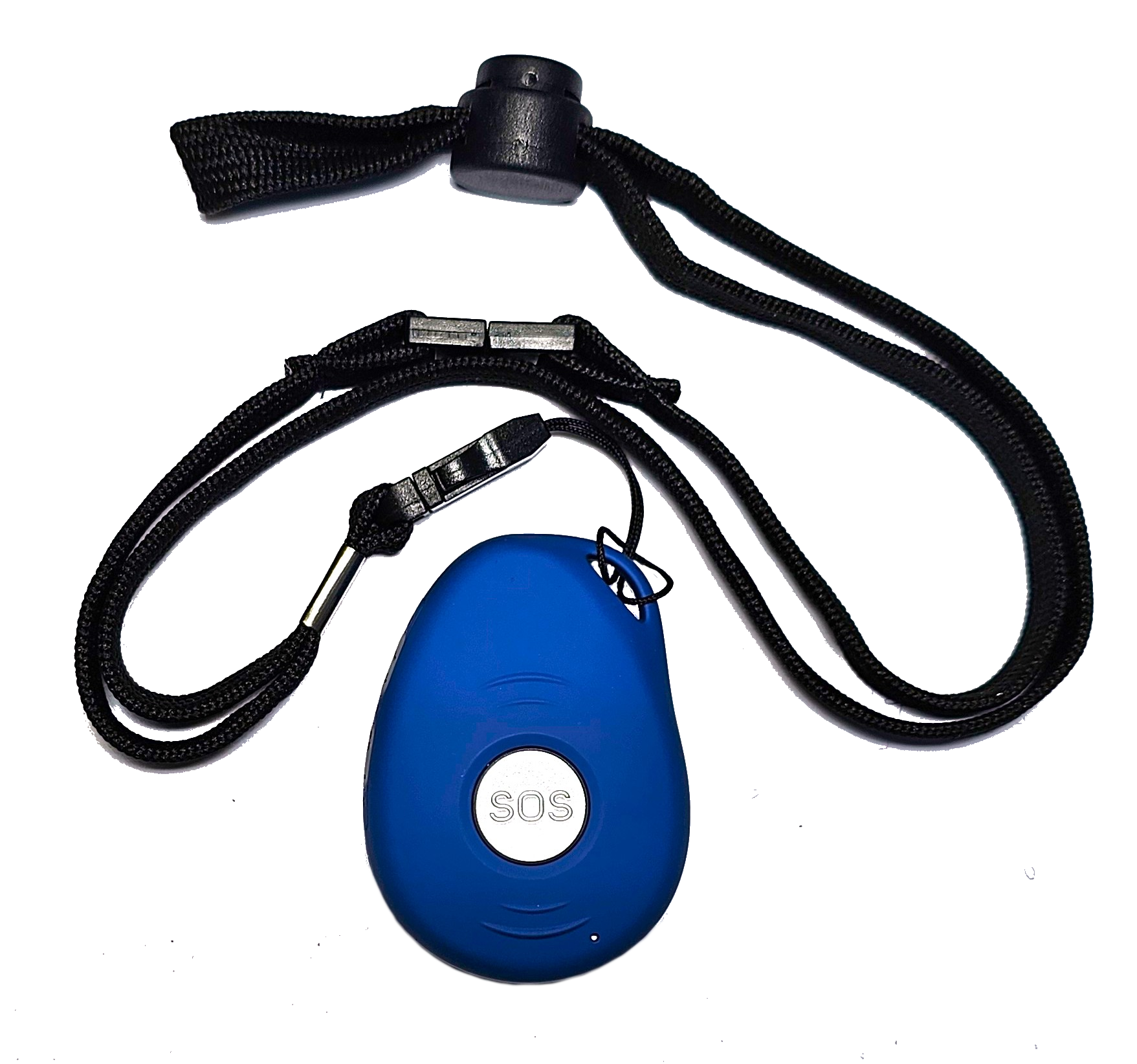
These devices look like a pendant or a wristband and carry a button that connects the user to help. What makes the modern version different from older alarms is the built-in GPS. Instead of being tied to a single room or a landline, the alarm works anywhere. Whether someone is in the garden, at the shops, or visiting a friend, pressing the SOS button sends their location straight to a family member or a monitoring centre. That shift from a home-only device to a mobile one changes what independent living really means.
How it works in daily life
The basic idea is simple. The user wears the device around the neck or on the wrist. When they need help, they press the SOS button. The alarm then connects them to a pre-set emergency contact or a monitoring service, and the GPS inside the device shares their location. The person on the other end can talk through the device's speaker and microphone, assess the situation, and send the right kind of help. That might be a family member who lives nearby, a neighbour, or an ambulance.
Because the device uses GPS, the location is accurate even if the person cannot speak clearly or does not know exactly where they are. For someone who has had a fall and is confused or in pain, that feature alone can be a lifesaver. The device does not rely on the user giving directions; it simply sends coordinates so help can find them quickly.

Many modern alarms also include automatic fall detection. If the device senses a sudden impact and a period of no movement, it can trigger an alert without the user pressing anything. This is especially useful when the fall leaves someone unable to reach the button. The system still notifies a contact, who can then check in or send help. This kind of technology does not replace human judgment, but it closes a gap that used to leave people lying on the floor waiting for someone to notice they were missing.
What this means for a person living alone
Living alone comes with small risks that add up over time. A wet bathroom floor, a loose rug, or a step that catches the foot can cause a fall. If no one else is in the house, the minutes after a fall can feel very long. A medical alarm with GPS does not remove the hazard, but it removes the fear of being stuck without help. That psychological benefit is often as important as the physical safety it provides.
Family members also gain peace of mind. Knowing that a parent or relative can call for help from anywhere, even outside the house, reduces the constant worry that something might go wrong and no one will know. It allows older adults to stay in their own home longer, with the backing of a safety net that travels with them.
The GPS difference
Standard home alarms have been around for decades. They work well inside the house but become useless once the person steps outside. A medical alarm with GPS solves that limitation. It works in the garden, on a walk, or during a trip to the doctor. For someone who enjoys getting out of the house, this is not just a convenience; it is a safety requirement. The device continues to transmit location even if the person is confused or cannot speak, which makes it far more reliable in a real emergency.
One practical point to watch is battery life. GPS and cellular communication use more power than a simple home hub, so the device needs regular charging. Most models give a low-battery warning, and some last several days on a single charge. It is worth checking how often the device needs to be plugged in and whether the user can manage that routine easily.
Two-way voice communication
Another useful feature is two-way voice. When the alarm is triggered, the emergency contact or monitoring service can speak directly through the device. They can ask what happened, check if the person is hurt, and give instructions while waiting for help. This is much better than a simple alarm that just notifies someone without context. The person wearing the device can hear a familiar voice and explain what they need, which often reduces panic and confusion.
Making the choice that fits
Not every medical alarm with GPS is the same. Some require a monthly subscription, while others work with no ongoing fees. The site familyr.co.nz provides wearable medical alarms with automatic fall detection and GPS location, and they do not charge monthly fees. That kind of pricing structure can make a real difference for someone on a fixed income, because the cost is paid once and there are no surprises later. When comparing devices, it is worth looking at the total cost over a few years, not just the upfront price.
Another factor is how the device handles emergency contacts. Some systems let you set a list of contacts who are notified in order, so if one person does not answer, the next one gets the alert. Others send the alert to a monitoring centre that then contacts a family member or calls emergency services. Both approaches have their strengths. The monitoring centre option adds a layer of professional oversight, but it usually comes with a monthly fee. The direct-to-family model keeps costs down but relies on the contacts being available to respond.
Fall detection is a feature worth considering carefully. It can be a wonderful safety net, but it is not perfect. Some devices may trigger false alarms from sudden movements like dropping the device or a hard sneeze. Others might miss a slow, sliding fall. It pays to read about how the specific system handles these situations and whether the user can easily cancel a false alert.
Practical tips for getting the most out of the device
- Wear the device every day, even inside the house. A common mistake is leaving it on the bedside table and forgetting to put it on in the morning.
- Test the system regularly. Most devices have a test mode that checks the connection and the GPS signal without sending a real alert.
- Keep emergency contact information up to date. If a family member changes their phone number, the device is only as good as the numbers it calls.
- Charge the device as recommended. A dead battery is the most common reason an alarm fails when it is needed most.
These small habits make the difference between a device that works and one that sits unused. The technology is reliable, but it still needs a human to keep it ready.
What this technology means for the future of independent living
For many older adults, the choice between staying at home and moving to assisted living comes down to one question: will someone be there if I fall? A medical alarm with GPS cannot replace human company, but it can answer that question with a clear yes. It provides a direct line to help, no matter where the person is, and it works without requiring the person to be near a phone or a base station.

The devices are becoming more common and easier to use. They are smaller, lighter, and more comfortable to wear all day. Some models look like a regular watch or a piece of jewellery, which helps people feel less self-conscious about wearing them. The stigma that used to come with personal alarms is fading, and that is a good thing. Wearing a safety device should feel as normal as carrying a mobile phone.
At the end of the day, the goal is to let people live the life they want, with the safety they need. A medical alarm with GPS is one tool that makes that balance possible. It does not take away independence; it protects it.